
Cusco, also known as Cuzco or Qosqo, The Archaeological Capital of America, was the main
city of the Inca Empire considered by them as "Navel of the world" and currently, the
main tourist destination in Peru, thanks to its great legacy of culture, history, and its great
architectural and spiritual wealth.
Among the main tourist attractions of Cusco is Machu Picchu. A jewel
architecture that had gigantic rocks as its main tool.
Also, you will be able to know its splendid natural landscapes, ruins and valleys. Even one
variety of ancient customs, which are still intact.
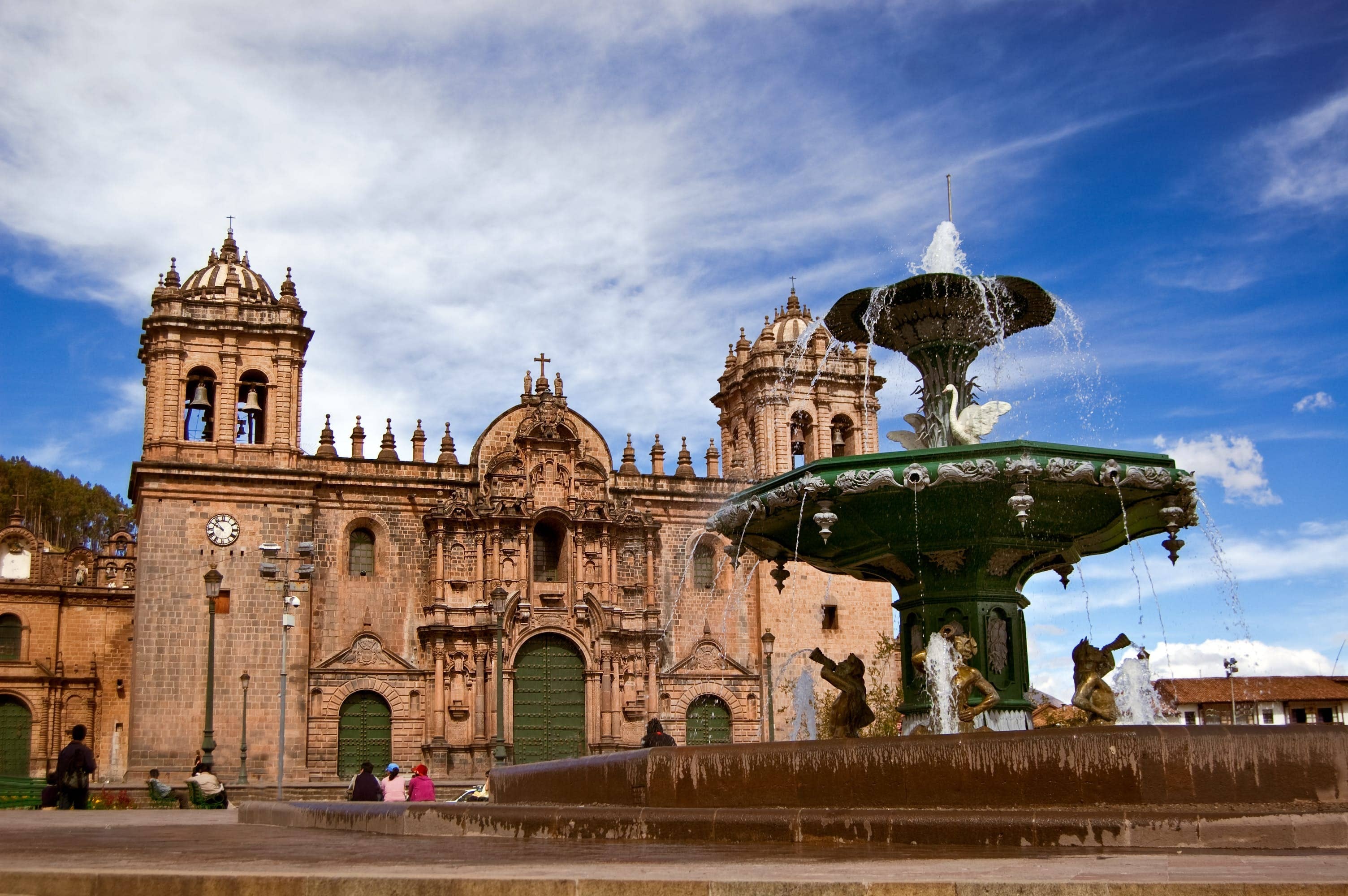
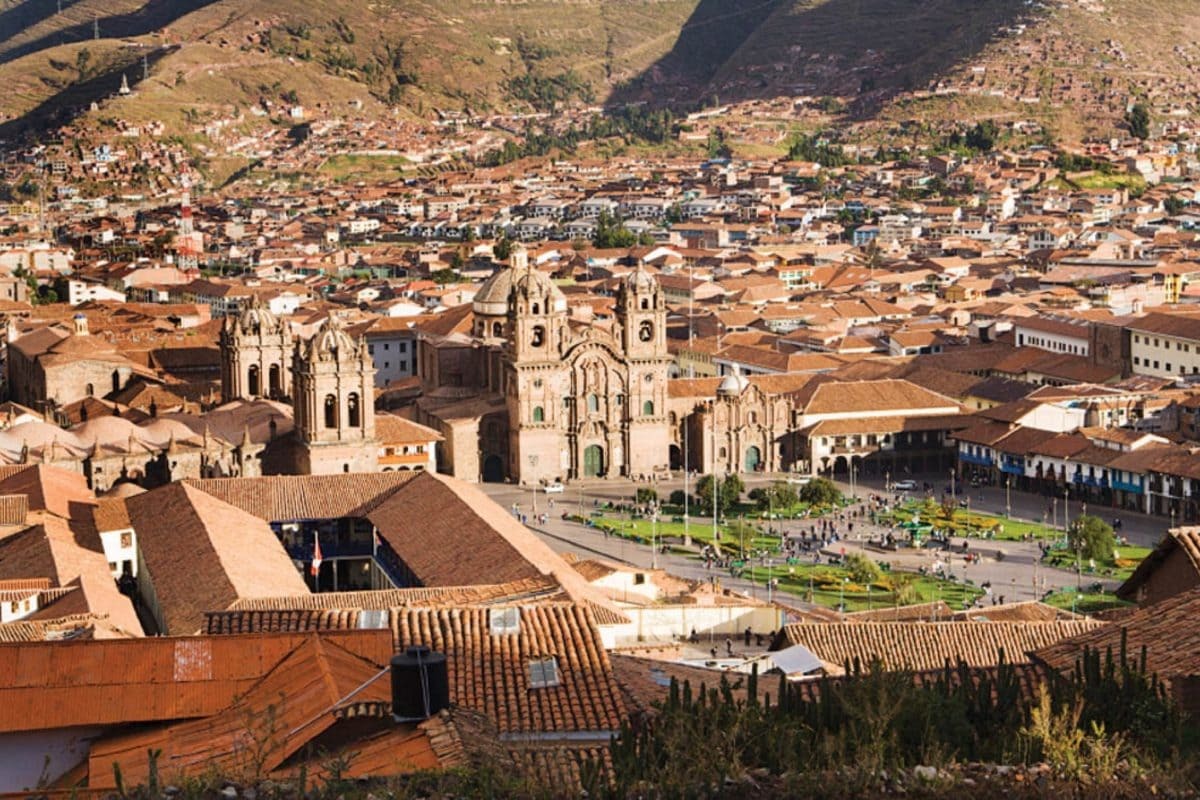 Picture: Main Square of Cusco
 Cusco is fascinating for being a destination where you will find history, nature, adventure, art, gastronomy and customs that are kept alive.
We provide you with information about which are the most surprising and interesting places to tour during your stay in the imperial city.
The Inca construction technique was completely different from everything found in other latitudes of the world, making it unique in its various archaeological centers. big stones, some of more than one hundred tons, were transported from the quarries to more than 60 kilometers for its construction. The orientation of its doors and windows, as well as how spectacular its construction, are just some of the details that you will appreciate on this tour of these centers archaeological.
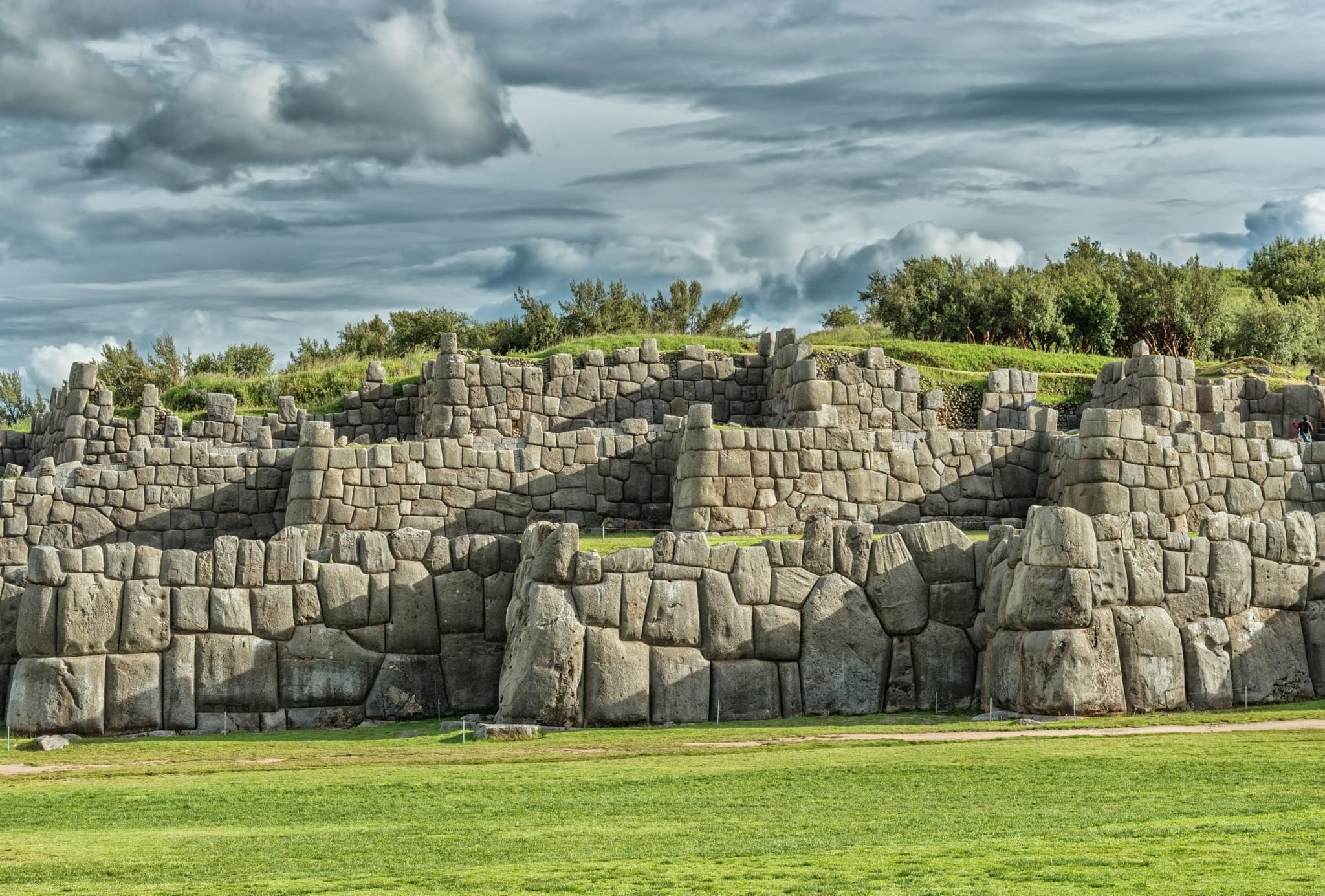
Sacsayhuamán is one of the most amazing buildings in the world. It is thought that he started
built during the government of the Inca Pachacutec in the fifteenth century.
It is believed that more than 20 thousand men extracted the stones from the nearby quarries and
the They moved 20 kilometers to the hill of the city of Cusco.
Today, it is estimated that Sacsayhuaman retains only 40 percent of its old structure. Still,
the site has structures up to 125 tons in weight.
How the Incas built Sacsayhuaman with structures of an unbelievable weight and size for the
time? Many questions are still a mystery. Therein lies the beauty of this archaeological site.
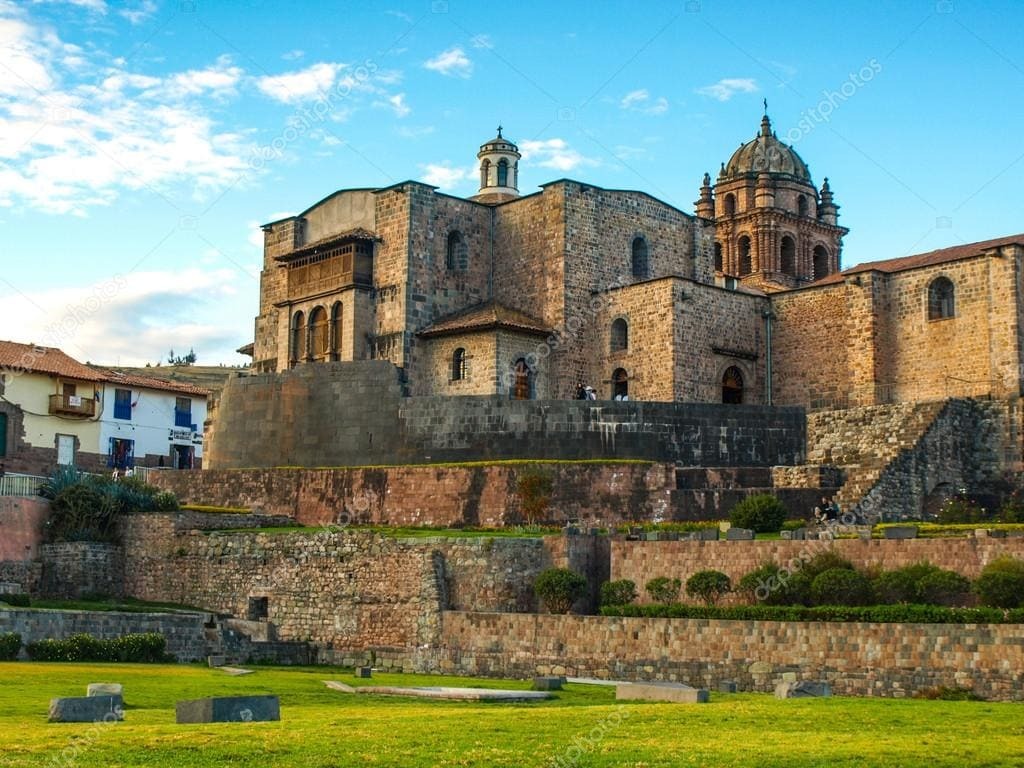
Possibly the most sacred and important building of the Tahuantinsuyo empire was the
Coricancha, also known as the Temple of the Sun.
During the time of the conquest, the temple was destroyed and looted. On its base, the church
and convent of Santo Sunday.
Currently, there is a museum with all the Inca pieces that were found there during the
excavations.
The Quechua name Qenqo means 'labyrinth'. In the cosmovision of the Andean culture, this
place was built to invoke the 'kaypacha', legendary snake that gave rise to life.
The Incas gave great importance to 'Kenko' and its underground tunnels because they believed
that the caves communicated the world of man with the world of the dead.
It is currently one of the the most visited archaeological sites in the city of Cusco.

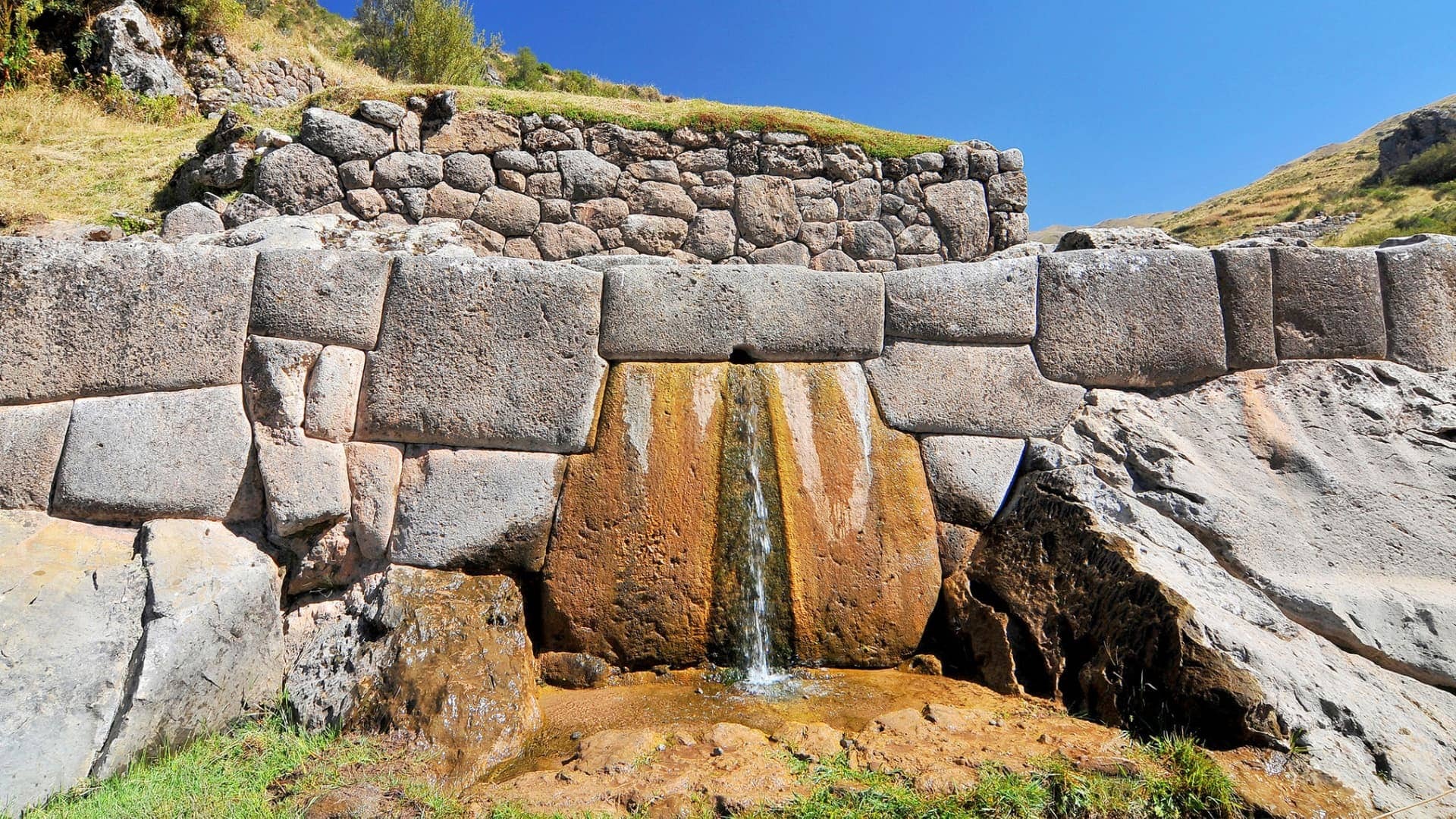
The archaeological site of Tambomachay, is together with Qenqo, Puca Pucara and Sacsayhuaman, one of the most important archaeological complexes in the city of Cusco. It is only 7 kilometers of the ancient capital of the Incas. Due to its location, it belongs to one of the centers important in the 'ceques' or imaginary lines that departed from Cuzco and served the Incas to organize their sanctuaries and important centers. Its function was to provide water to the surrounding sites and as Inca baths. The harmony that exists between its stone walls and the nature that surrounds it transform it into one of the most important places in the incanato. Get to know some interesting facts about this archaeological site.
The Catholic Church accompanied the Spanish troops from the beginning of the conquest. when
giving beginning their evangelizing task, the priestly orders of that time built their
churches on top of the most important Inca palaces and temples, to show off their power and
impose their religion on the inhabitants of Cusco.
On the other hand, they had to be built convents to house the clergy. The best preserved
constructions have details architectural and historical worthy of being appreciated.
The Cathedral is one of the most famous tourist attractions in Cusco. Its colonial architecture
It is photographed by almost all visitors who arrive at the Plaza de Armas. Inside, the
The temple boasts paintings, murals, sculptures and a collection of treasures and antiques of
much worth. It is not one of the largest art repositories in the city.
Income has a cost of 25 Peruvian soles. It is also part of the famous 'City tour' through Cusco.
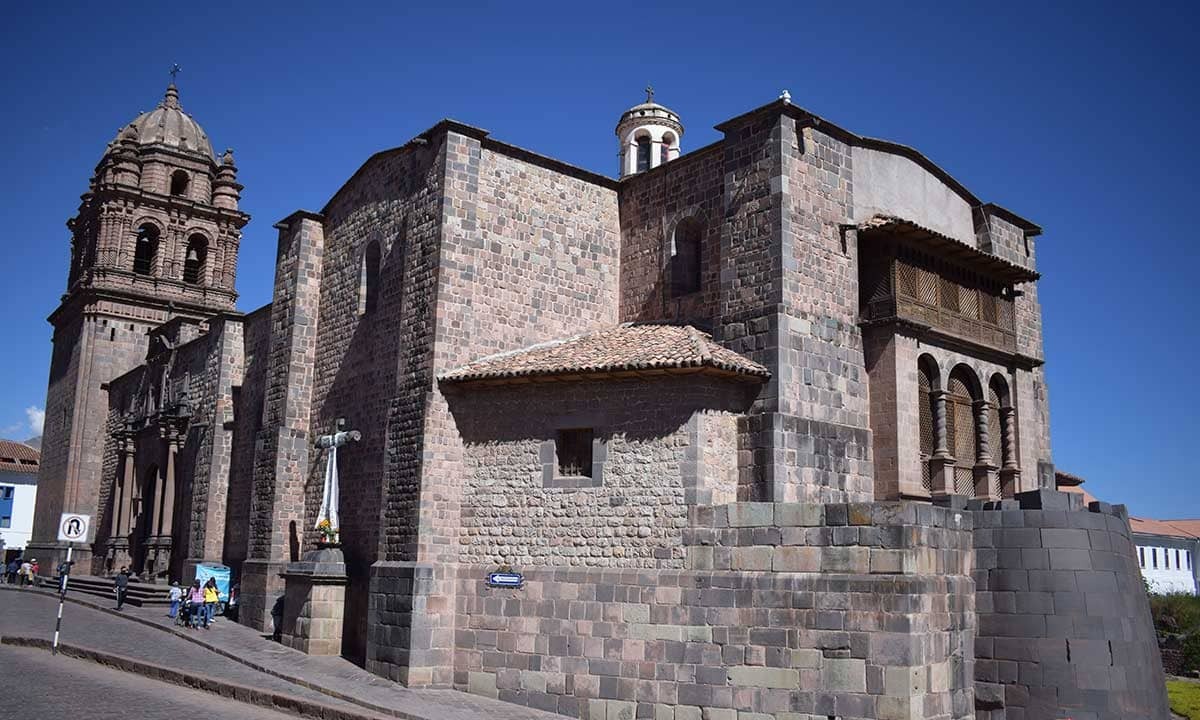
After the looting of the Coricancha temple by the Spanish in the 16th century, as happened with
all the Inca temples, a religious order was in charge of the construction of a temple
Catholic religious to replace the Inca gods with those of the West.
The church of Santo Domingo del Cusco suffered severe damage after the earthquake of 1650. The
same happened with the 1950 earthquake.
The reconstructions took several years to take their current form in 3 naves with a dome and
various decorations of wood, gold and silver.
The church of San Blas is one of the most representative buildings of the Catholic church.
It is located in the neighborhood of San Blas, better known as the neighborhood of artisans
approximately 10 minutes from the Plaza de Armas of Cusco.
Get to know the Church and neighborhood of San Blas, is an option while you acclimatize in
Cusco.

On one side of the Plaza de Armas of Cusco stands out the imposing church of the Compañía de
Jesús, one of the Christian temples built during the colonial era. Like many monuments
colonial times, this temple was built on the old Amarucancha (palace of the Inca Huayna
Capac).
Currently the church is part of the 'Andean Baroque Circuit', a visit by the baroque temples of
Cusco that also include the Church of San Pedro Apóstol de Andahuaylillas, the temple of San
Juan Bautista de Huaro and the chapel of the Purified Virgin of Canincunca.

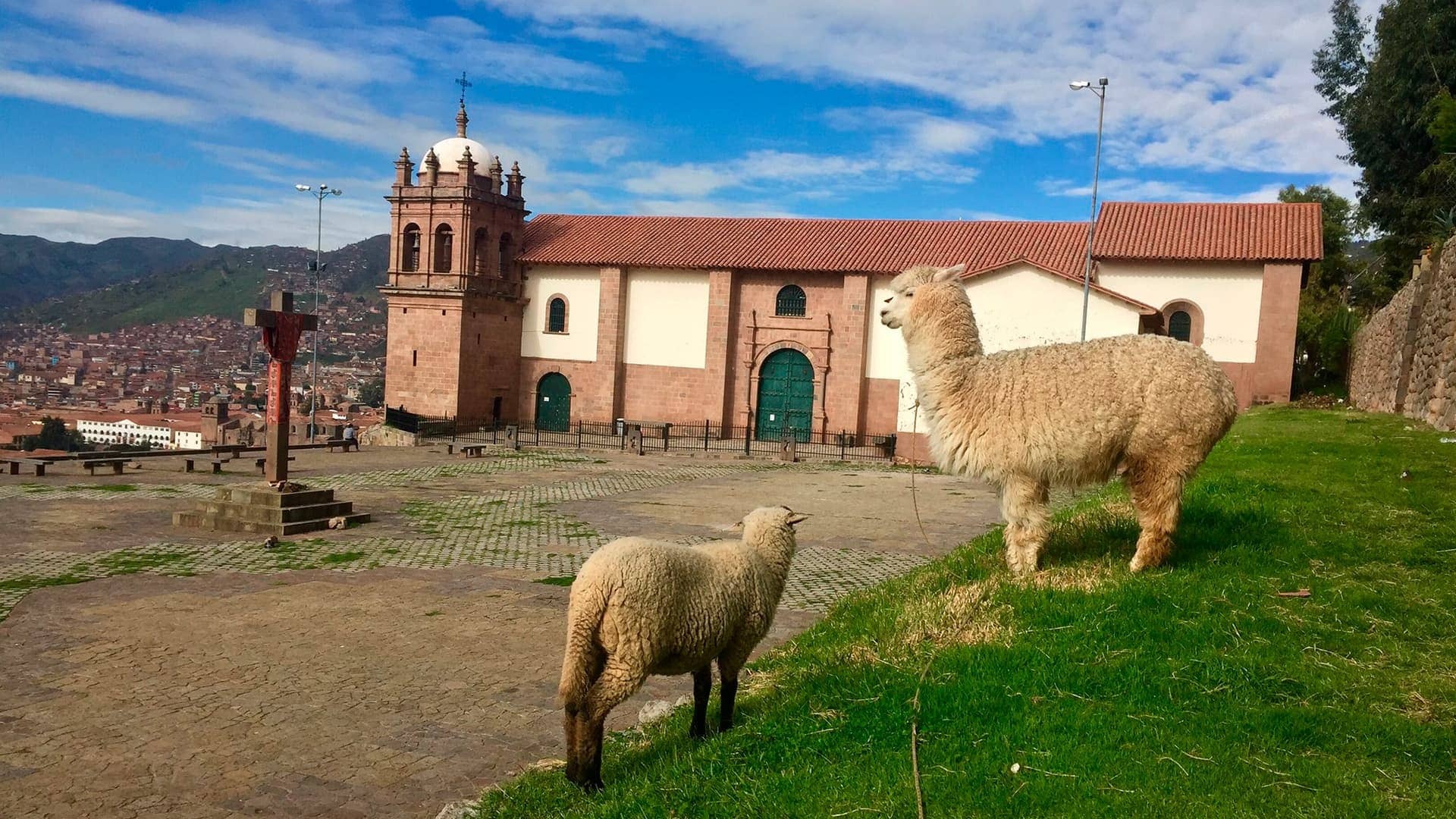
The church of San Cristóbal in Cusco is one of the most famous Christian temples, it was
built during the colony on a site of Inca origin donated by Cristóbal Paullo Inca,
brother of the former rulers Manco Inca, Atahualpa and Huáscar.
In addition to its historical value, stands out for its location at the top of the city of
Cusco, between the path of the Plaza de Armas and Sacsayhuaman.
The temple is simple, it has a stone tower and the rest of the nave (in form cross) made of
adobe.
A city, as visited as Cusco, could not lack museums. These, aimed at showing
diverse aspects of the Pre-Inca, Inca, colonial and republican culture, are distributed
throughout long of the city.
Venture to meet them, after your visit to them you will not stop thank us.
The Inka Museum has a very relevant historical importance because it is here where in the Inca
It was the house of Huáscar, emperor of Tahuantinsuyo. It is also known as the Admiral's House
because it was built in the 17th century by Admiral Alderete Maldonado.
That structure I know It remains to this day despite the fact that in 1950 it was damaged by an
earthquake. However, in 1952 part of the establishment was demolished to later restore it. In
the process they lost original pieces and an important number of coffered ceilings.
The treasures that this museum custody They date from pre-Inca times to the 20th century. The
history of Cusco is summarized there.
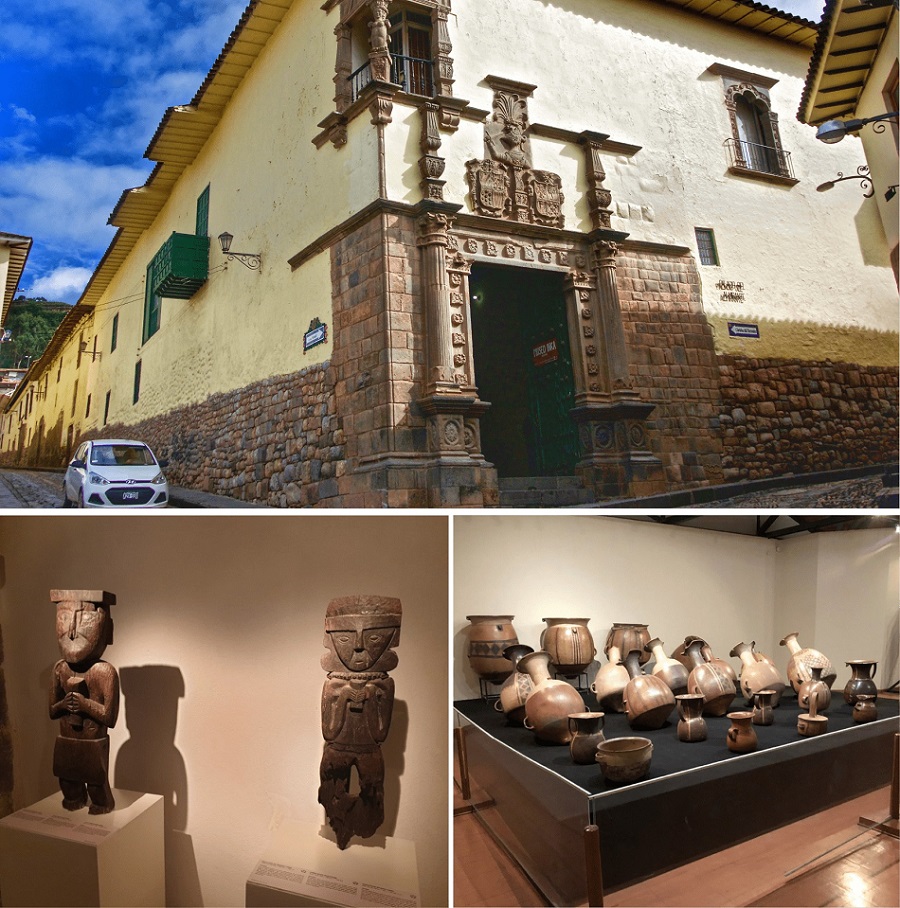
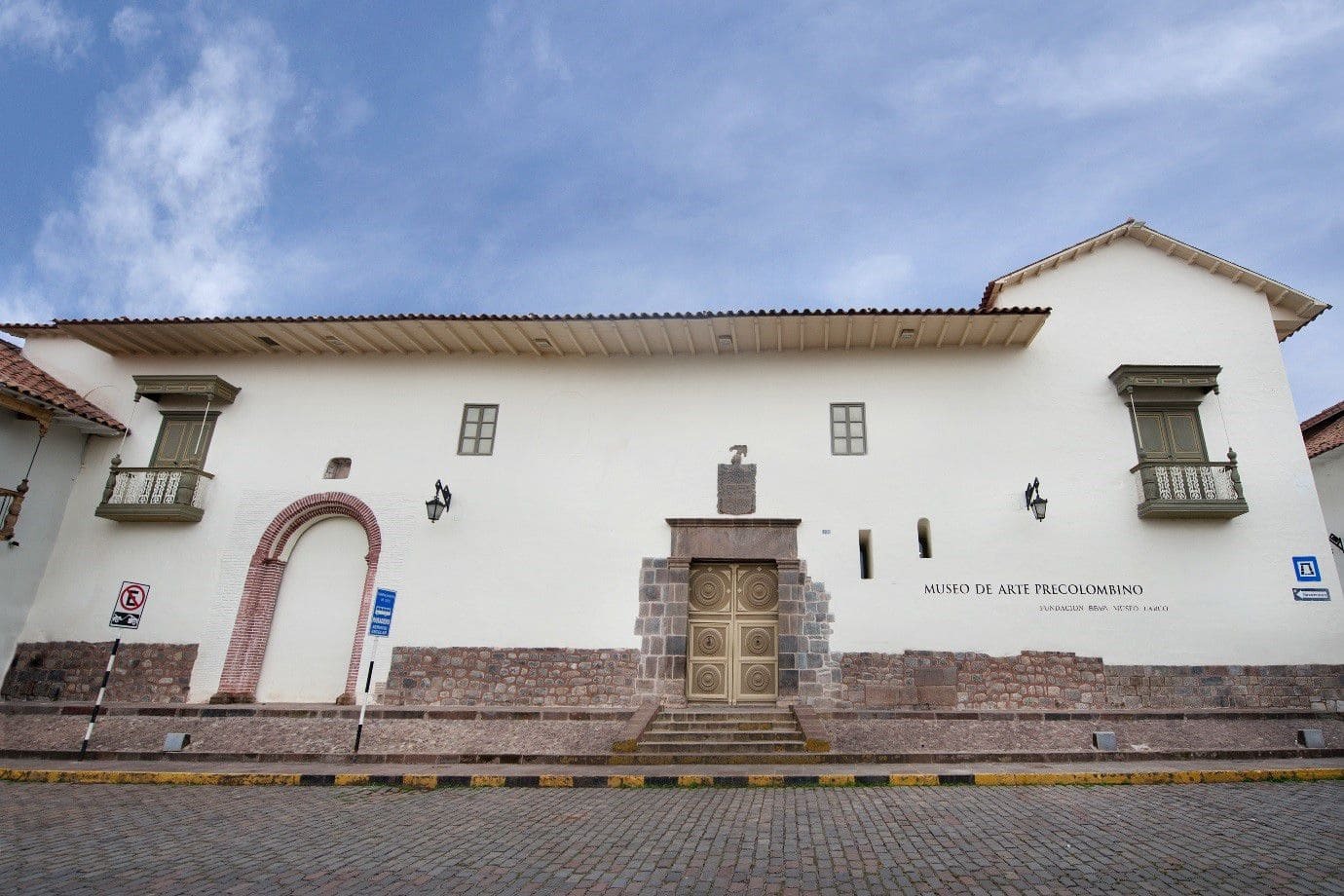
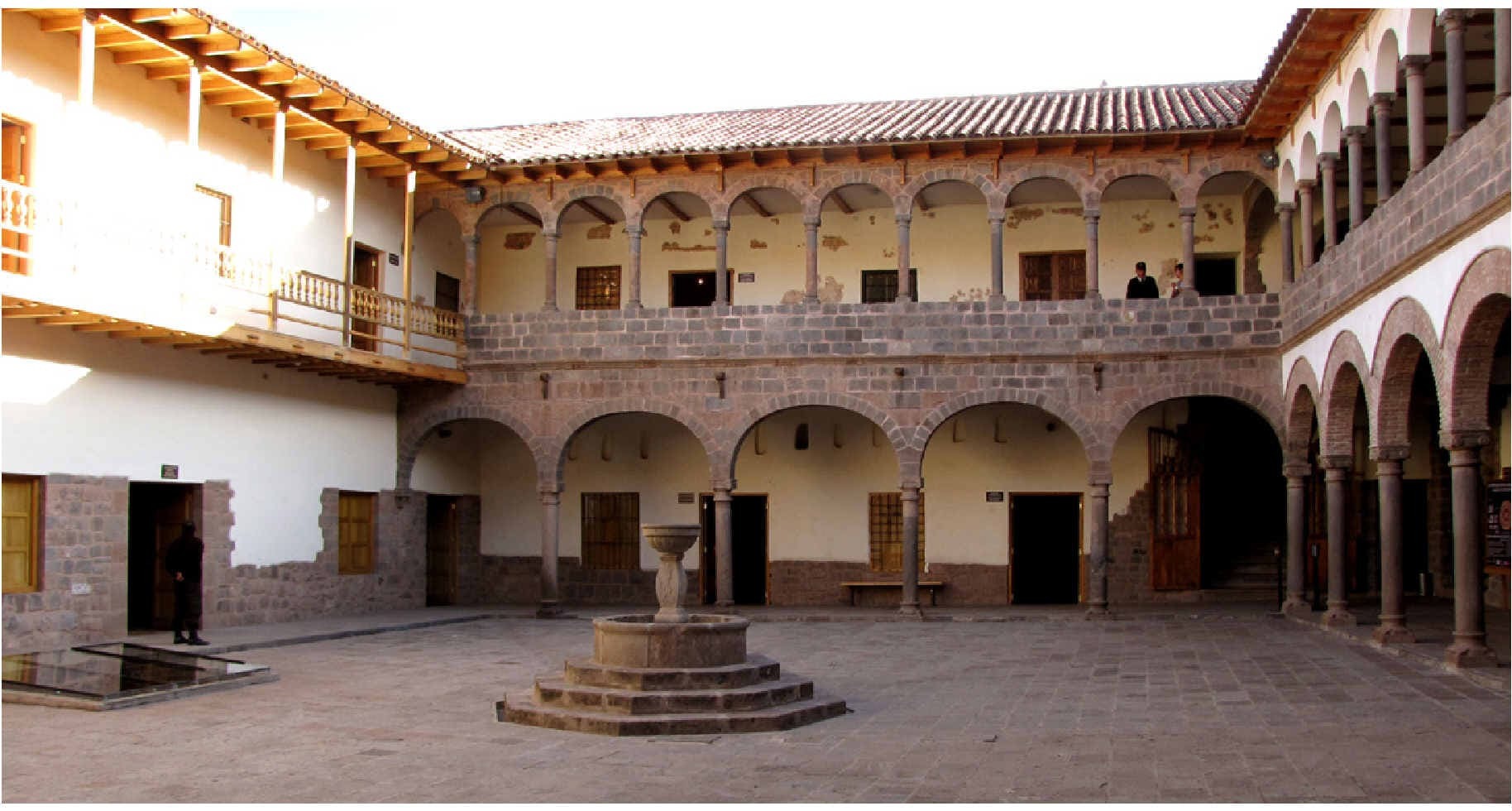
The Museum of Pre-Columbian Art was a ceremonial kancha (patio) in the time of the Incas, in
In 1580 it would become the mansion of the conqueror Alonso Díaz and in 1850 in that of the
count Cabrera.
The residence was restored to be the “Museum of Pre-Columbian Art or Museum of art Prehispanic”
since June 2003. It is the only museum dedicated to recovering the art of the cultures of
ancient Peru.
The Machu Picchu Museum of the Casa Concha was built on the palace of the Inca Túpac Yupanqui.
It exhibits hundreds of artifacts removed by the American explorer Hiram Bingham in 1911.
These objects were returned to Peru in 2011.
Today, this small but fascinating museum is one of the best options before his trip to Machu
Picchu.
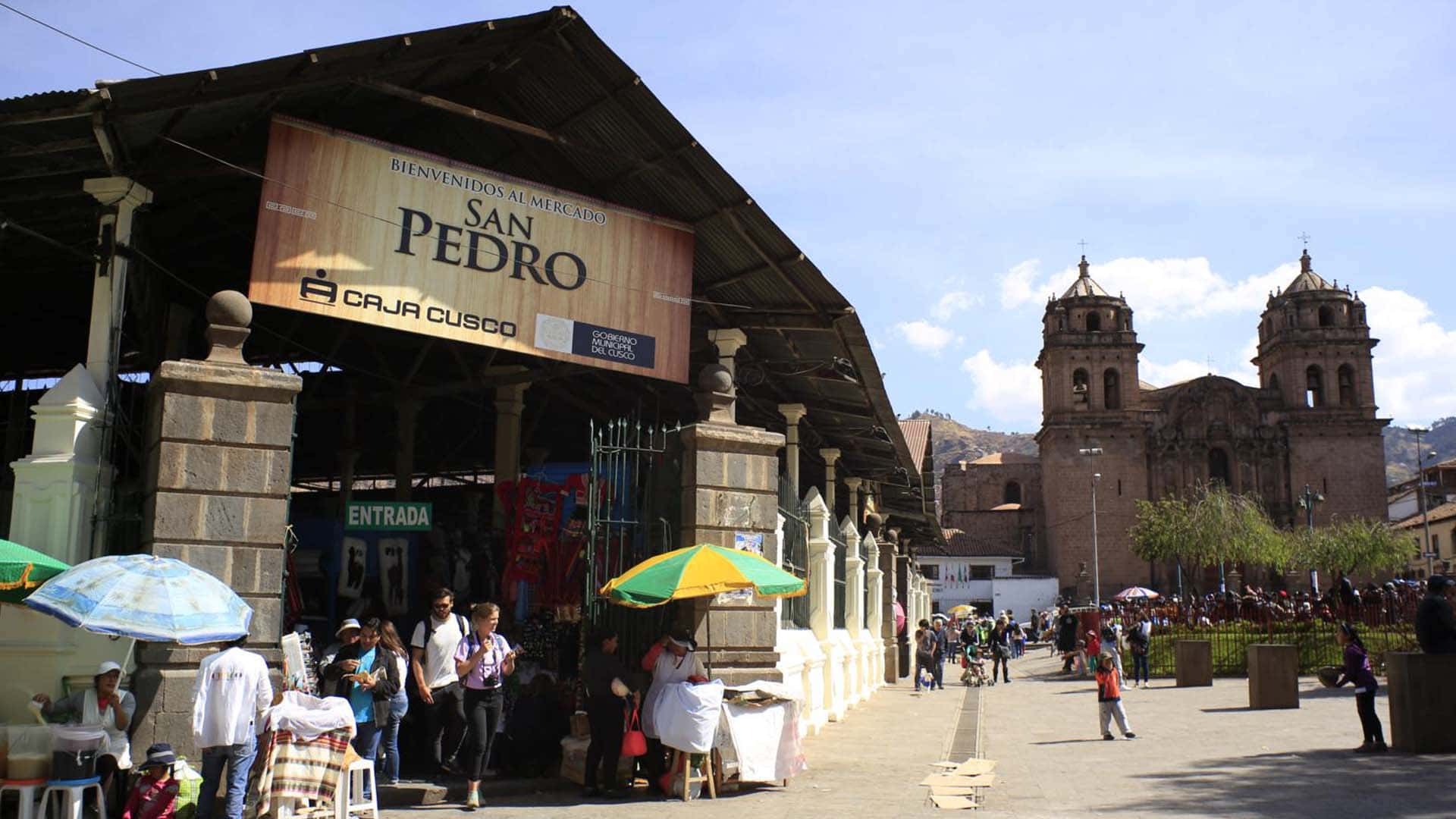
The San Pedro market is one of the most picturesque places in the city of Cusco. there it is
gather hundreds of citizens from Cusco and foreign tourists to acquire various
food products as well as handicrafts of all kinds.
It is a great opportunity to meet a little more the culture of Cusco. It is located in the
historic center of the city, a few steps from the Plaza de Armas.
Currently, there are 1,180 stores that sell fruits, vegetables, breads, sweets,
utensils, breakfasts, lunches as well as all kinds of crafts. Due to its location in the area
comprised by the Historic Center of Cusco, there they meet not only citizens of Cusco but also
many tourists from different parts of the world. Therefore, the market became a space for
acculturation between different people.
The San Pedro market is also an opportunity for tourists who want to purchase any
product at an affordable price. For example, the price of a menu (lunch with starter) is
only 6 Peruvian soles (approximately 1.5 US dollars).
Come and enjoy the warmth of a town that enjoys visitors, Cusco awaits you. You can not miss the opportunity to meet her!
Share


For travel inspiration and insights